The Core Trade-off
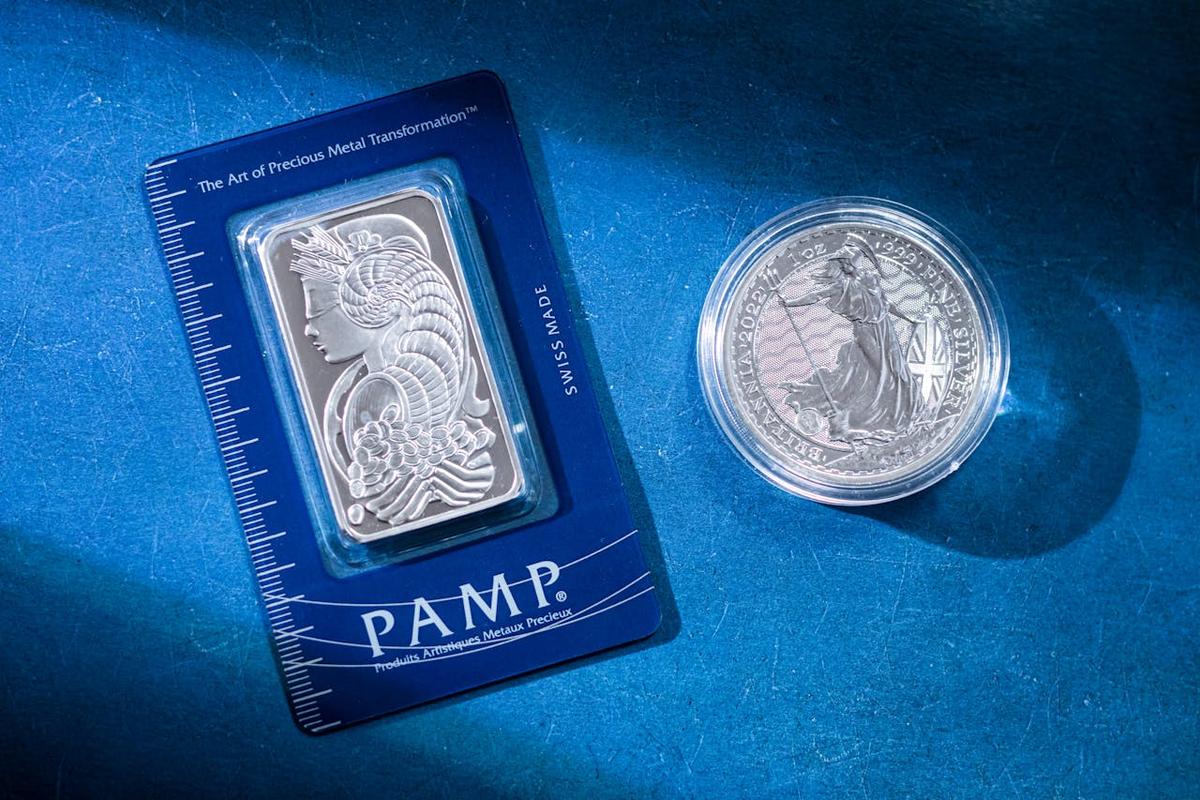
Silver coins and silver bars contain the same metal. Both are 99.9% pure silver in standard investment products. Both are subject to 10% GST in Australia. The decision comes down to two competing factors: how much you pay above spot (the premium) and how easily you can sell when the time comes (liquidity).
Bars carry lower premiums. Coins carry better liquidity. The right balance depends on your position size, budget, and investment horizon.
Compare current premiums on all Australian silver products on our live silver comparison page, which updates throughout the day.
Silver Bars: Lowest Premium, Best Value per Gram
Cast silver bars, particularly the 1 kg size from ABC Bullion or Ainslie Bullion, carry the lowest premiums of any silver product in Australia. A 1 kg cast bar typically costs 5 to 10% above spot, compared to 15 to 30% for a standard 1 oz silver coin.
On a per-gram basis, the difference is meaningful. At a 20% premium on a 1 oz coin versus an 8% premium on a 1 kg bar, you are paying 12% more for the same silver content. At current silver prices of approximately A$50 per ounce, buying 20 oz of silver as 20 individual coins costs roughly A$120 more than buying the same 20 oz as a single 1 kg bar.
Larger bars (5 kg, 15 kg) push premiums even lower, but create storage and liquidity challenges. The 1 kg size is the sweet spot for most Australian investors: low premium, manageable size, and accepted by every reputable dealer.
Compare silver bar premiums across dealers and sizes.
Silver Coins: Higher Premium, Better Liquidity
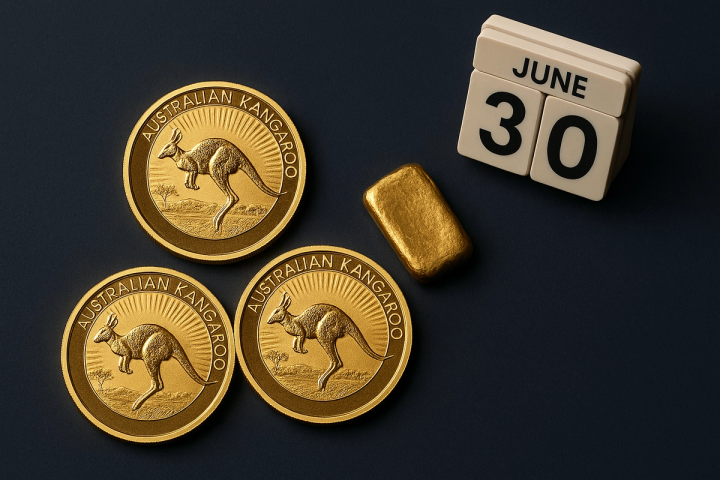
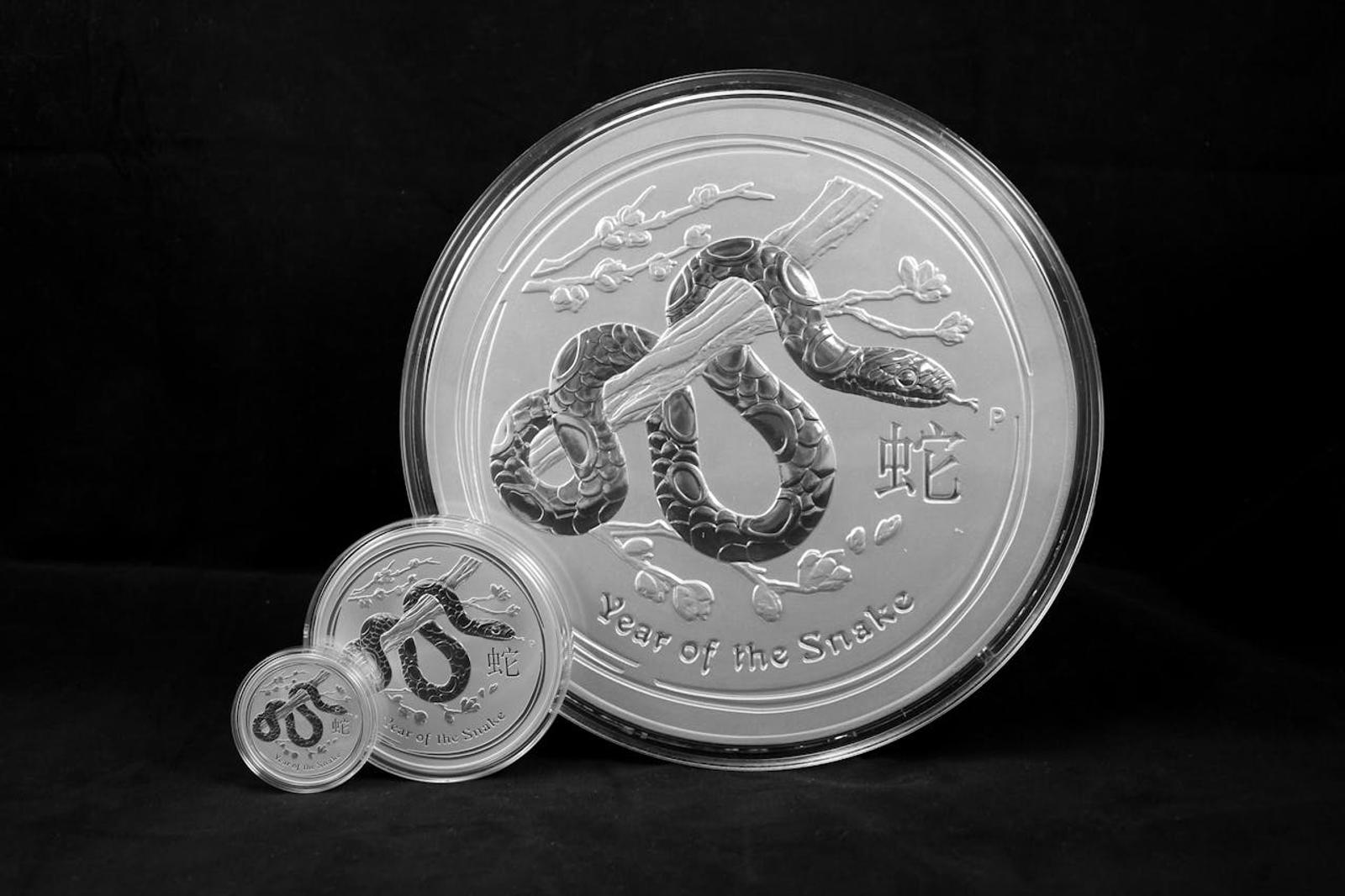
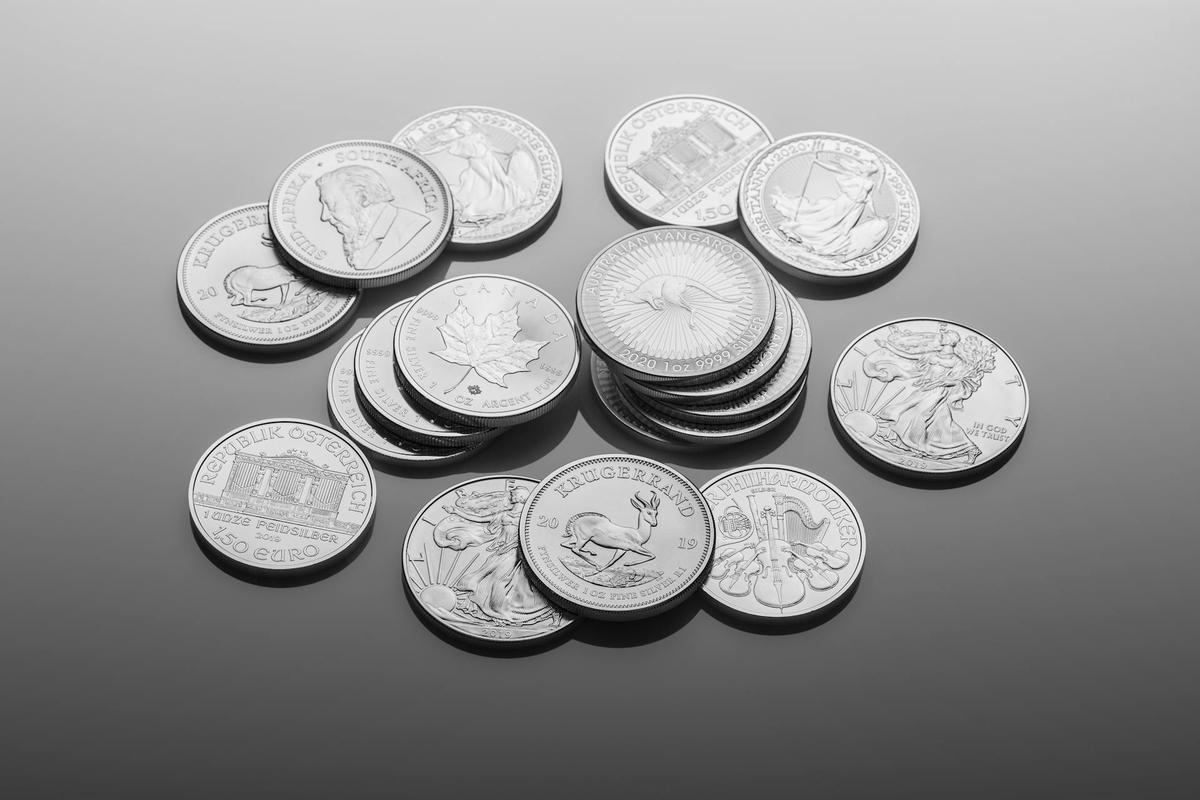
Silver coins, particularly those from the Perth Mint, are recognised by every precious metals dealer globally. The 1 oz Australian Kangaroo, Kookaburra, Koala, and Lunar coins are legal tender with weight and purity guaranteed by a sovereign mint.
This recognisability matters when you sell. A 1 oz Perth Mint silver coin sells immediately at any bullion dealer with no verification beyond a visual check. A cast silver bar from a lesser-known refiner may require additional scrutiny.
Coins also give you flexibility in smaller parcels. You can sell a single 1 oz coin for A$50 to A$60 without breaking a larger bar. For investors who may need to liquidate in small amounts, whether for flexibility or tax management, this is a real advantage.
The premium trade-off: expect to pay 15 to 25% above spot for a 1 oz Perth Mint silver coin versus 8 to 12% for a 1 kg cast bar.
The GST Factor and How It Applies to Both
Both silver bars and silver coins are subject to 10% GST in Australia. There is no exemption for silver as there is for gold. This applies equally regardless of product type, size, or dealer.
The GST is included in the price you see advertised. You are not charged extra at checkout. But it is a real cost built into your entry price, and it means silver must rise 10% in AUD terms before you break even relative to an equivalent GST-exempt gold investment.
This GST burden is one reason that many Australian investors prefer bars over coins for silver: if you are already paying 10% GST as a fixed cost, minimising the dealer premium on top of that becomes more important. A bar at 8% premium plus 10% GST = 18% above spot silver. A coin at 25% plus 10% GST = 35% above spot silver. The break-even gap is substantial.
Storage: The Bulk Reality for Silver
Silver is physically heavy relative to its monetary value. This is a practical reality that shapes the product choice.
At current prices, a 1 kg silver bar holds approximately A$1,600 worth of metal. A$10,000 of silver is approximately 6 to 7 kg. A$50,000 of silver is over 30 kg of metal requiring serious safe infrastructure.
Coins in protective capsules are even bulkier per unit of value. A monster box of 250 x 1 oz coins weighs approximately 7.8 kg and is about the size of a shoebox.
For larger silver positions, this bulk is a strong argument for 1 kg bars, which stack efficiently, over coins, which do not. For holdings above approximately A$20,000 of silver, a dealer vault program becomes the practical choice. Perth Mint and ABC Bullion both offer allocated silver storage at approximately 0.3 to 0.5% per year.
Which to Buy: A Practical Guide by Budget
Under A$1,000: consider buying 1 oz silver coins (Kangaroo or Kookaburra). The premium gap matters less at this scale, and you get the full recognisability of a sovereign mint product. Easy to start, easy to add to over time.
A$1,000 to A$5,000: consider splitting between coins and one or two 1 kg cast bars. This gives you liquidity from the coins and better value from the bars.
A$5,000 to A$20,000: focus on 1 kg cast bars from ABC Bullion or Ainslie Bullion for the bulk of your position. Keep a small number of coins for liquidity. Storage at home is manageable at this level with a proper safe.
Above A$20,000: 1 kg bars in a dealer vault program is the most practical and cost-effective approach. Consider Perth Mint or ABC Bullion allocated storage. Compare live silver prices across dealers and products before every purchase.
Sources and Further Reading
Perth Mint, Australian silver coin specifications and pricing: perthmint.com/bullion
ABC Bullion, cast silver bar pricing and specifications: abcbullion.com.au
Silver Institute, World Silver Survey 2025, investment demand data: silverinstitute.org
Australian Taxation Office, GST treatment of silver bullion: ato.gov.au
GoldSilverPrices.com.au: Live silver coin and bar comparison across all Australian dealers