Silver's Dual Nature: Why It Behaves Differently to Gold
Silver occupies a unique position among investable assets. It is simultaneously a precious metal with millennia of monetary history and an industrial commodity with surging demand from modern technology. This dual character is both its most compelling feature and its key risk factor.
Unlike gold, which moves almost entirely on monetary conditions and investor sentiment, silver's price is also shaped by global manufacturing output, solar energy installation rates, electric vehicle production volumes, and industrial cycles. In a strong economy with booming clean energy investment, silver can dramatically outperform gold. In a recession where industrial production contracts, it can significantly underperform.
Track the live AUD silver spot price on our silver price page and compare the current gold-silver ratio in real time.
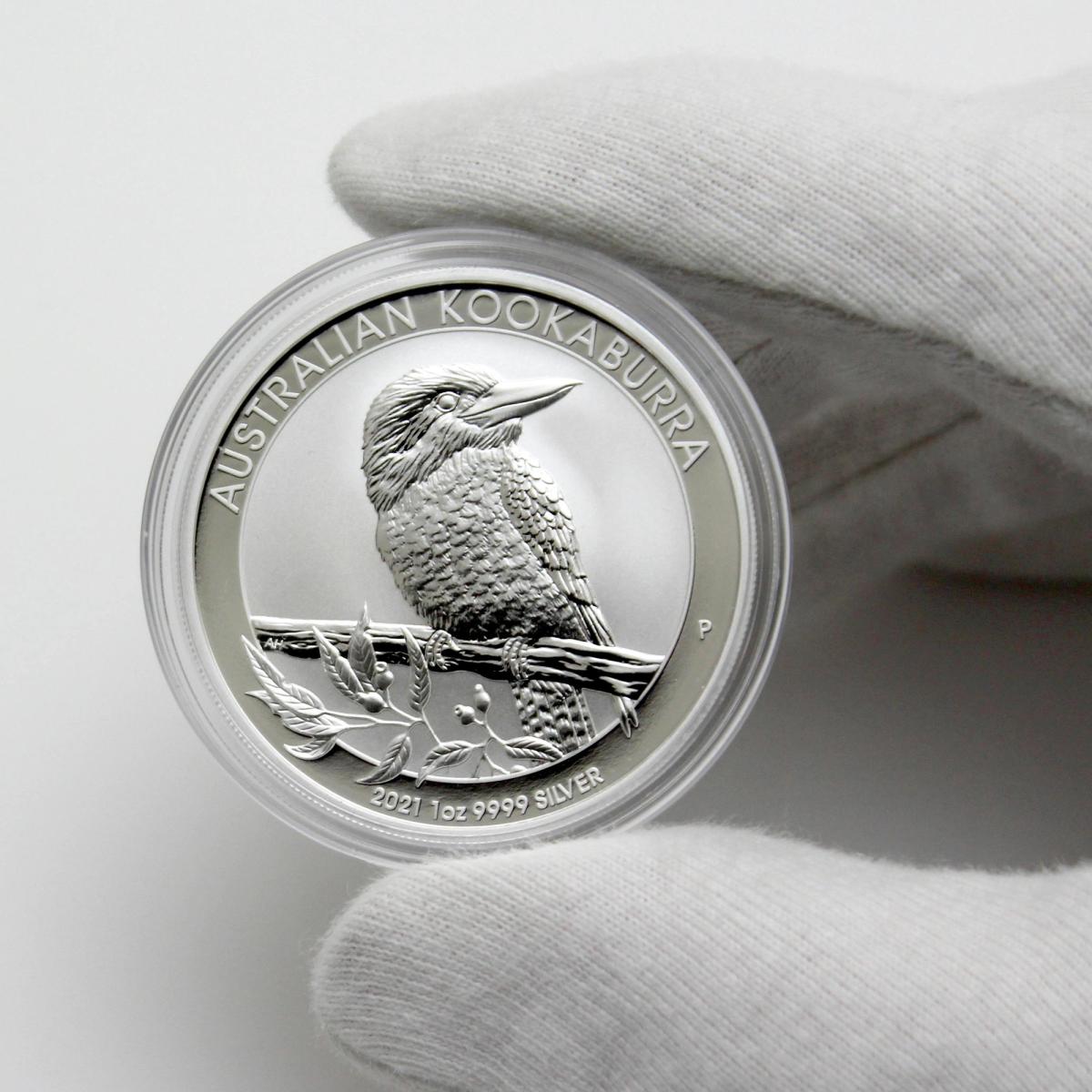
The GST Problem: Australia's Silver Headwind
This is the most important consideration for Australian silver investors, and one that is frequently overlooked.
Gold bullion in Australia is GST-exempt when sold in investment-grade form (minimum 99.5% purity). Silver is not. You pay 10% GST on physical silver purchases in Australia, regardless of the dealer.
That 10% tax means silver needs to rise 10% in AUD terms before you break even on a sale. That figure does not yet account for the buy-sell spread. A $5,000 silver position must be worth $5,500 before you recover your GST cost. This fundamentally changes the return calculation compared to gold, and it is a reason many experienced Australian investors prefer gold for smaller positions where the tax drag matters most.
For large positions held for many years, the 10% GST becomes a smaller percentage of total return. But it remains a real headwind that deserves honest assessment before you buy.
The Gold-Silver Ratio: Why It Matters Now
The gold-silver ratio measures how many ounces of silver it takes to buy one ounce of gold. It is one of the oldest signals in precious metals markets. The historical average over the past century is approximately 60:1. In 2026, the ratio sits near 90:1, which means silver is historically cheap relative to gold.
When the ratio is elevated above 80 to 90, silver has historically delivered strong returns relative to gold over the following 12 to 24 months as the ratio reverts toward its mean. This is the core thesis for silver bulls in 2026: if the ratio normalises toward 60, silver would need to rise approximately 50% relative to gold. That represents an enormous potential move.
The ratio is not guaranteed to revert. It can stay elevated for years. But for investors already holding gold who want to add silver exposure, an elevated ratio provides a rational entry point.
Compare current gold and silver prices and calculate the live ratio on our comparison page.
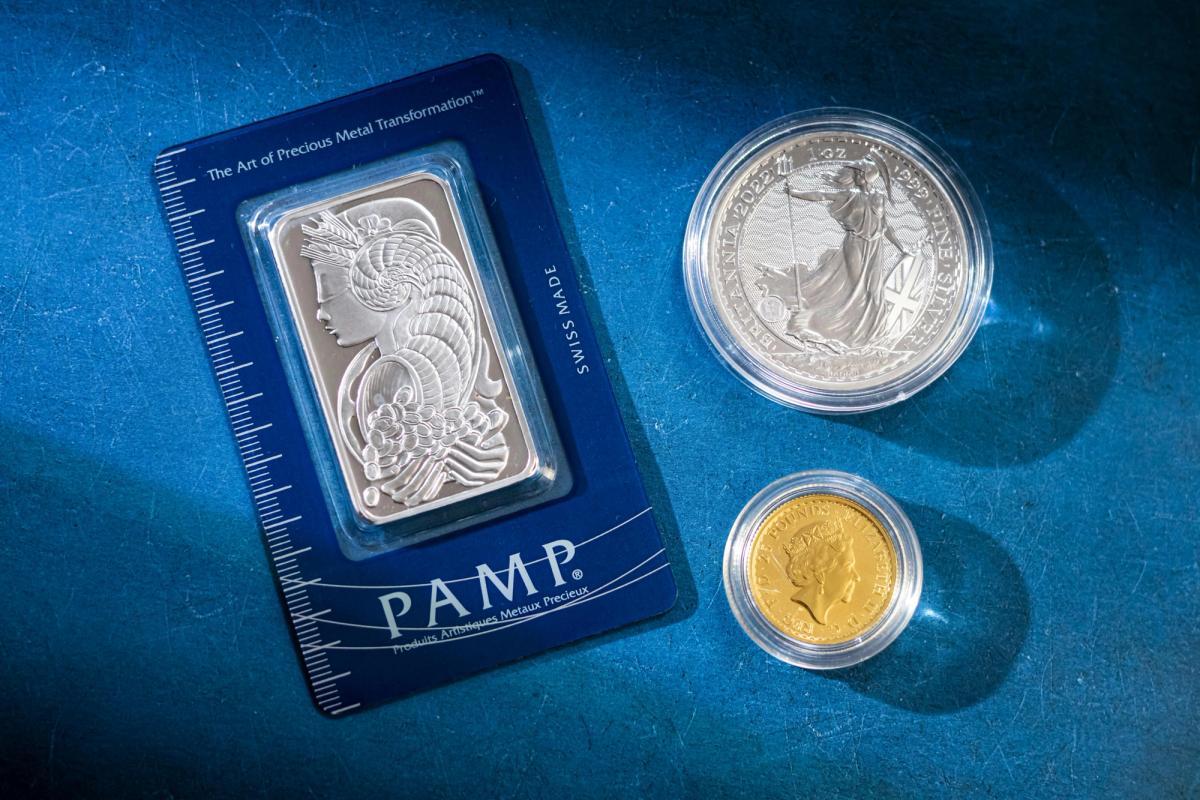
Industrial Demand: The Solar Panel Story
Silver's industrial demand profile has changed fundamentally over the past decade. Solar photovoltaic panels now account for approximately 20% of global silver demand, making solar the single largest and fastest-growing industrial use of the metal. Each solar panel contains roughly 20 grams of silver in its electrical conductors, and there is no commercially viable substitute.
With global solar installations growing at over 30% per year as countries accelerate decarbonisation commitments, the structural demand pull on silver supply is unprecedented in the metal's history. Electric vehicles use more silver per unit than traditional combustion engine cars. Electronics, medical devices, and industrial catalysts round out the picture.
The Silver Institute projects industrial demand will account for over 60% of total annual silver consumption by 2028. Critically, this demand is largely price-inelastic. Manufacturers need silver to build products and will pay whatever the market price is.
Supply Constraints: The Overlooked Factor
Approximately 70% of global silver supply is mined as a by-product of copper, lead, and zinc mining. This means silver supply does not respond efficiently to higher silver prices. New silver supply arrives when base metal miners open new copper or zinc mines, not in response to silver investor demand.
The Silver Institute has reported consecutive annual market deficits since 2021, with total demand exceeding total mine supply and the gap being filled by drawdown of above-ground stocks. This situation is not indefinitely sustainable without price adjustment.
New primary silver mines take 7 to 10 years from discovery to production. The pipeline is limited. The combination of structurally growing industrial demand and constrained supply is the most fundamental case for silver in 2026.
Cast Bars vs Coins: The Right Product for Australian Buyers
If you decide to buy physical silver, the product choice matters for the same reasons it does in gold. Premiums vary significantly.
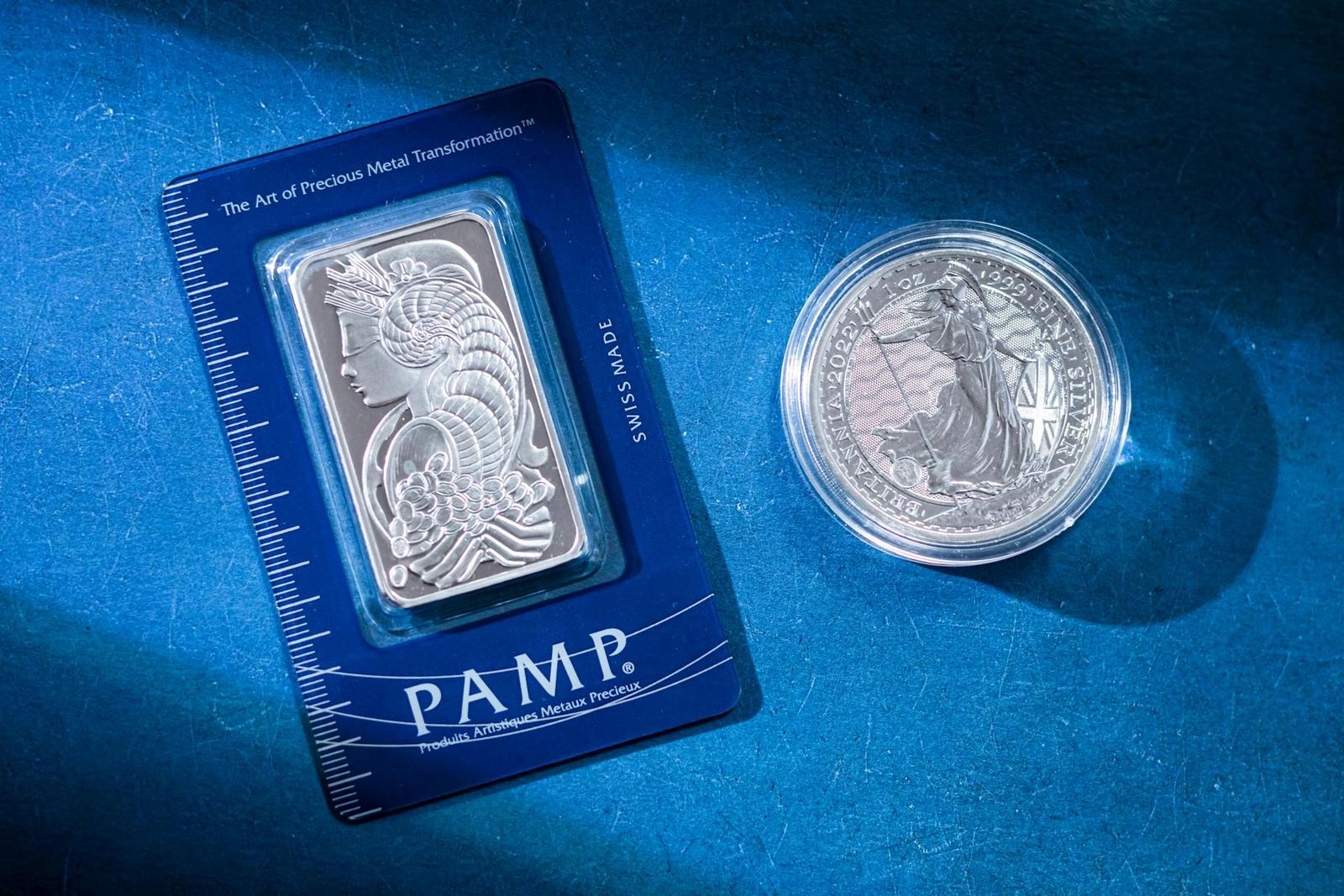
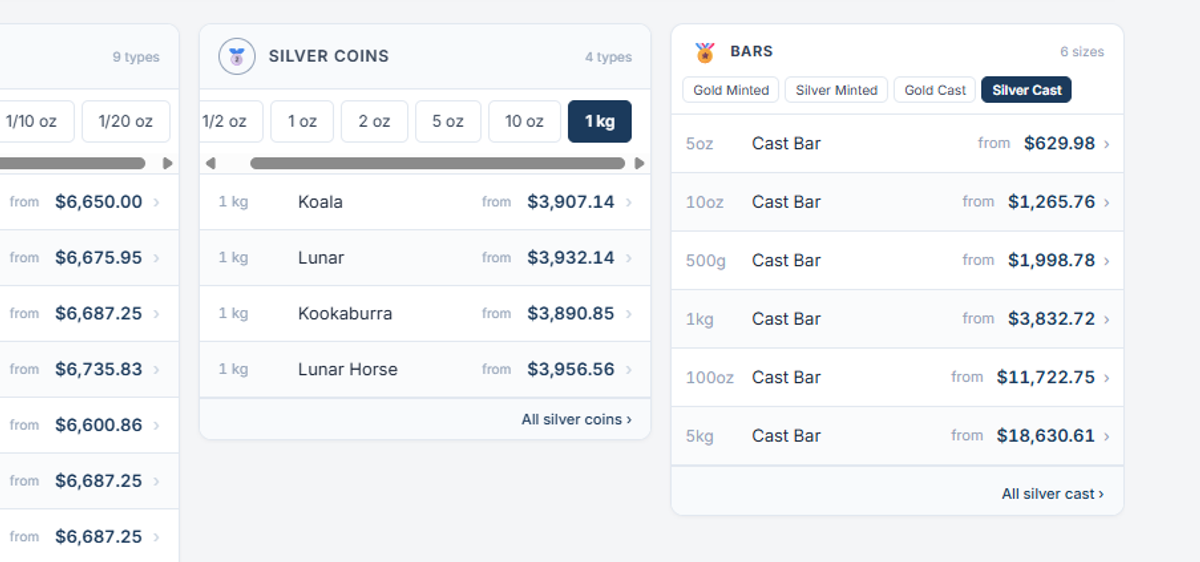
Cast silver bars, particularly the 1 kg size, carry the lowest premiums in the Australian market, typically 5 to 10% above spot. For investors focused purely on accumulating silver exposure at minimum cost, 1 kg cast bars from ABC Bullion or Ainslie Bullion are the best-value option.
Silver coins such as the Australian Kookaburra, Kangaroo, or Koala from Perth Mint are more recognisable and easier to sell in smaller parcels, but carry premiums of 15 to 30% above spot on smaller sizes. They suit investors who want flexibility to sell in small quantities or who value the Perth Mint's guarantee of weight and purity.
Compare all silver products and current premiums across Australian dealers on our silver comparison page.
Storage and the Bulk Problem
Silver's practical storage challenge is frequently underestimated. At current prices, A$10,000 of silver weighs approximately 4.5 kilograms, or about 150 troy ounces. A$50,000 of silver is over 20 kilograms of metal. This is a meaningful logistical reality for home storage.
For positions above 5 to 10 kg, a heavy-duty floor safe or wall safe becomes necessary. For larger positions, dealer vault programs from Perth Mint and ABC Bullion offer allocated silver storage at approximately 0.3 to 0.5% per year of holdings value. This ongoing cost must be factored into your return calculation.
By contrast, the same A$50,000 in gold weighs approximately 300 grams, or about 10 troy ounces. Gold is far more compact for the same dollar value. Storage cost and complexity is a real reason many investors prefer gold for larger positions, even when silver's investment case is compelling.
Sources and Further Reading
Silver Institute, World Silver Survey 2025 (supply, demand, deficit data): silverinstitute.org
International Energy Agency, solar energy and critical minerals demand: iea.org
Australian Taxation Office, GST treatment of precious metals: ato.gov.au
World Gold Council, gold vs silver investor research: gold.org
GoldSilverPrices.com.au: Live silver price comparison and gold-silver ratio