On this page
Key takeaways
- Australian bar and coin demand was 5.5 tonnes in the first half of 2026, down 18% from a year earlier, according to the World Gold Council.
- Second-quarter retail bullion demand fell to 1.5 tonnes, while Australian-listed gold ETF holdings reached 55 tonnes after 2.6 tonnes of net inflows in the first half.
- High local prices can discourage new physical purchases while increasing the value of existing holdings; that does not mean every form of gold demand moves in the same direction.
- Physical bullion and exchange-traded products solve different problems. Compare total cost, custody, liquidity, counterparty exposure and tax treatment before choosing.
The 2026 split: softer bullion, stronger ETF holdings
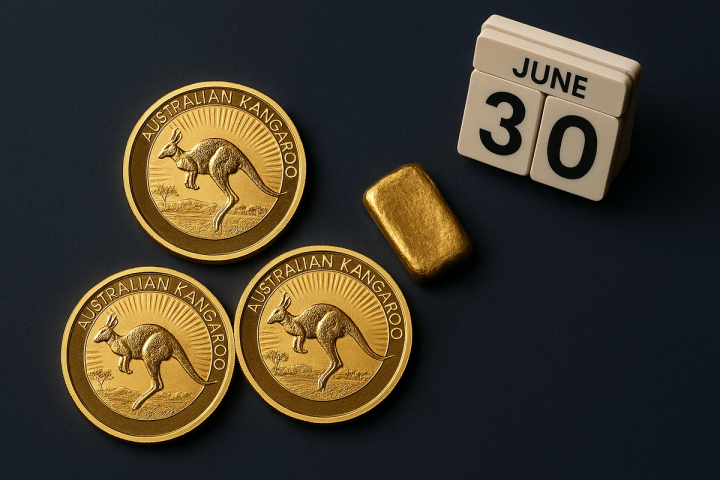
The clearest Australian gold story in 2026 is a divergence between retail bullion and exchange-traded exposure. The World Gold Council reported Australian bar and coin demand of 5.5 tonnes for the first half, 18% below the same period in 2025. Demand in the June quarter was 1.5 tonnes, down 59% year on year.
At the same time, Australian gold ETF holdings rose to a record 55 tonnes after net inflows of 2.6 tonnes during the first half. These measures are not interchangeable: bar and coin demand tracks new physical retail purchases, while ETF holdings reflect metal exposure held through listed products.
The useful conclusion is not that Australians stopped buying gold. It is that the preferred route to exposure changed as prices, trading access and portfolio behaviour changed.
Why high prices can change how Australians buy
A high Australian-dollar gold price creates opposing effects. It can attract attention and lift the value of existing holdings, but it also raises the cash required for a one-ounce coin or bar. Retail buyers may respond by delaying a purchase, choosing a smaller denomination, using an exchange-traded product or selling part of an existing position.
Dealer premiums matter as well. Physical products include fabrication, distribution and dealer costs above spot, while a listed product normally adds brokerage, a bid-ask spread and an ongoing management fee instead. Neither route is automatically cheaper in every holding period.
Currency also matters. Australian buyers receive the combined effect of the US-dollar gold price and the AUD/USD exchange rate. A weaker Australian dollar can lift the local gold price even if the international price is unchanged.
Physical gold and listed gold are not substitutes in every respect
Physical gold provides direct possession or allocated custody of a specific asset. Buyers must consider the purchase premium, insured delivery, secure storage, insurance and the dealer's future buyback spread. Compare current gold coin prices and gold bar prices rather than assuming one product type is always cheapest.
A gold exchange-traded product can be bought and sold through a brokerage account during market hours. It is easier to size precisely and avoids home storage, but the investor owns a security governed by its product terms. Fees, tracking, liquidity, custody structure and redemption rules vary. Our PMGOLD versus physical gold guide examines one Australian example in detail.
The decision should follow the job the holding needs to do. Someone seeking direct possession has a different priority from someone rebalancing a liquid portfolio.
A practical comparison checklist
Before buying, compare the complete round trip rather than the headline purchase price.
- Entry cost: dealer premium and delivery for bullion, or brokerage and spread for a listed product.
- Ongoing cost: storage and insurance versus the product's management fee.
- Exit: published buyback prices, market liquidity, settlement time and any redemption costs.
- Ownership: direct possession, allocated storage or a claim under an exchange-traded product's legal structure.
- Tax: capital gains outcomes depend on the holder, structure and timing. Review the 2026 CGT changes with a registered tax agent.
For a live view of premiums and dealer dispersion, use the bullion analytics tool.
What to watch next
The next Australian demand update should be read across several measures: tonnes of new bar and coin demand, ETF flows, the local gold price, dealer premiums and buyback spreads. One number alone cannot show whether investors are adding exposure, changing vehicles or taking profits.
The Reserve Bank cash rate was 4.60% after its September 2026 decision, while annual CPI was 3.8% in the June quarter. Interest rates and inflation can influence the opportunity cost of holding a non-yielding asset, but neither provides a reliable short-term price forecast. Gold can fall and can underperform income-producing assets for long periods.
Sources and methodology
- World Gold Council: Navigating Australia's mixed macro landscape — Australian bar, coin and ETF data.
- Reserve Bank of Australia: cash rate decisions — official cash-rate history.
- Australian Bureau of Statistics: June quarter 2026 CPI — inflation data.
Demand figures are historical and do not predict returns. This article is general information, not personal financial or tax advice.
General information, not financial or tax advice. Figures in the text reflect the time of writing; prices elsewhere on this site are live.
Editorial standards →